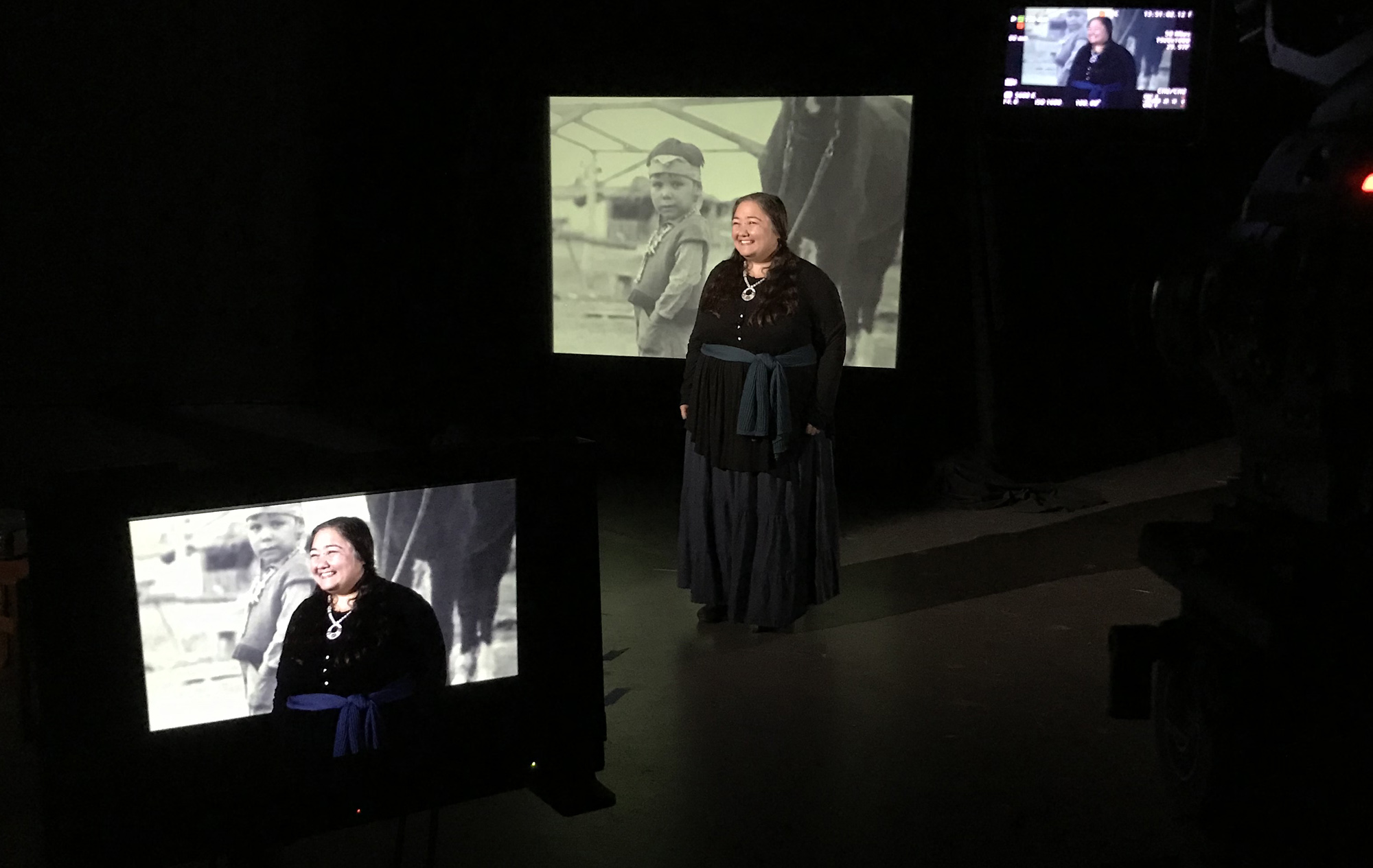
Living Voices brings life to history
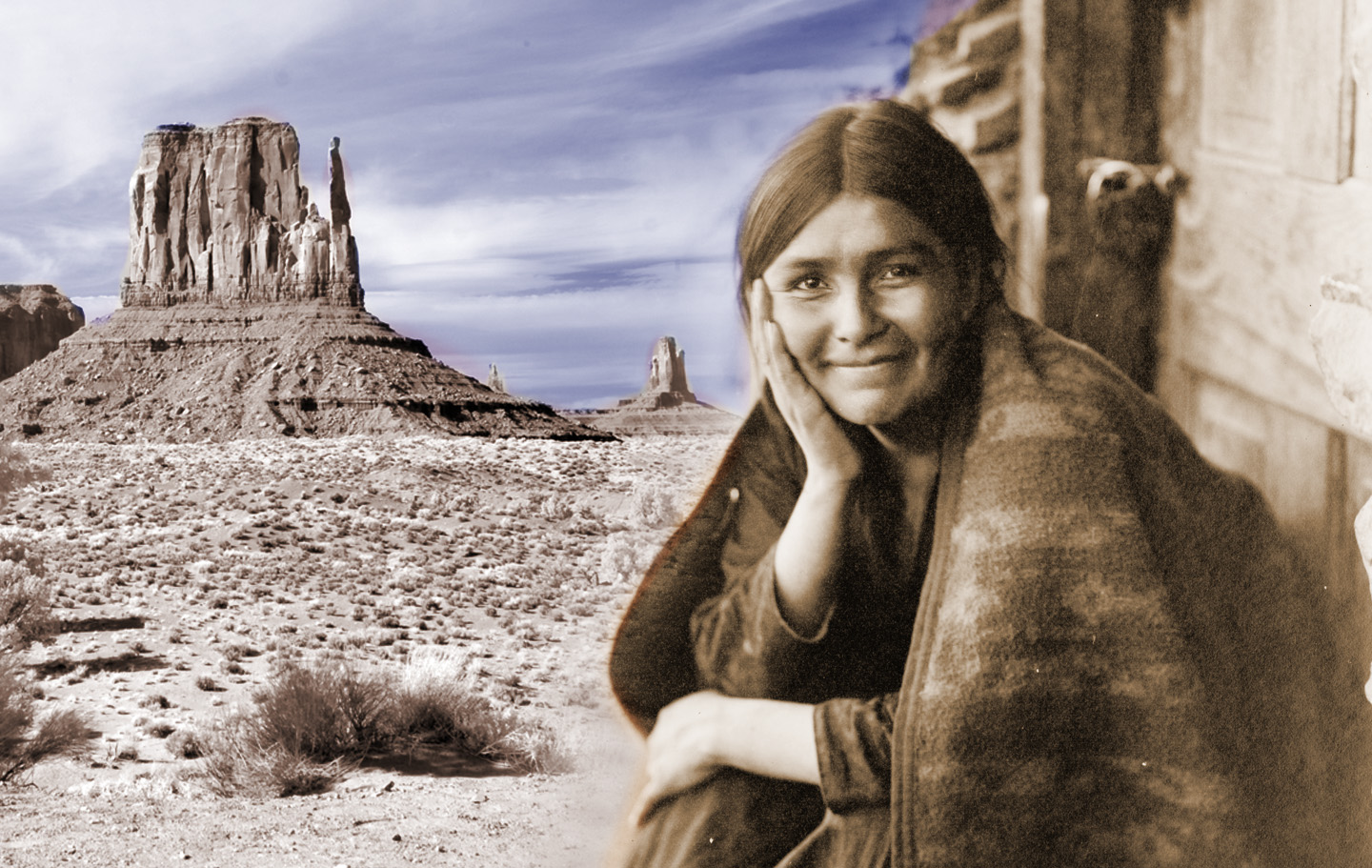
Native American boarding schools & World War II Navajo Code Talkers
Who are the true Americans?
Honor the Native experience from government boarding schools to the Navajo Code Talkers of World War II, as a young Navajo girl works to keep her culture in the face of prejudice and a changing world.
After leaving home on the Navajo reservation to pursue a white American education, Alice becomes a Navy nurse while her cousin enlists in the Marines as a Code Talker during World War II, both striving to find a balance between their Navajo and Western traditions.
Developed in partnership with Chinle (AZ) Unified School District and Navajo Nation community advisors.
4th grade through adult
Since Time Immemorial Tribal Sovereignty Curriculum | Civil Rights | World War II | US History |
Civics/Government | Ethnic Studies | Native American Studies | Literature | Theatre / Drama | Media / Television - Film
Literacy in History/Social Studies | Speaking & Listening | Reading
Wa He Lut Indian School, Muckleshoot Tribal School, Washington State Indian Education Association, Arts Impact Native Voices Arts Academy, National Association for Multicultural Educators
“Through these performances, we can foster relevant ties to understanding why things are the way they are. People can place themselves in the context of the past and contemplate what they would have done if they were faced with the same challenges and choices.”
-Julie Fonseca de Borges, Seattle Area National Park Sites, WA
“My students and teachers are still talking about it. It was great to see them wanting to learn more. Thank you for playing such a valuable role in education and sharing with our school.”
Aurelia Moore, Oslo Middle School, FL
Report: Joint Base Lewis McChord
Native Vision study guide
Performance Setup Guide
National Museum of the American Indian
The National Native American Boarding School Healing Coalition
American Indian Code Talkers | The National WWII Museum
Pay online