Share The Triumph

  Written by Rachel Atkins

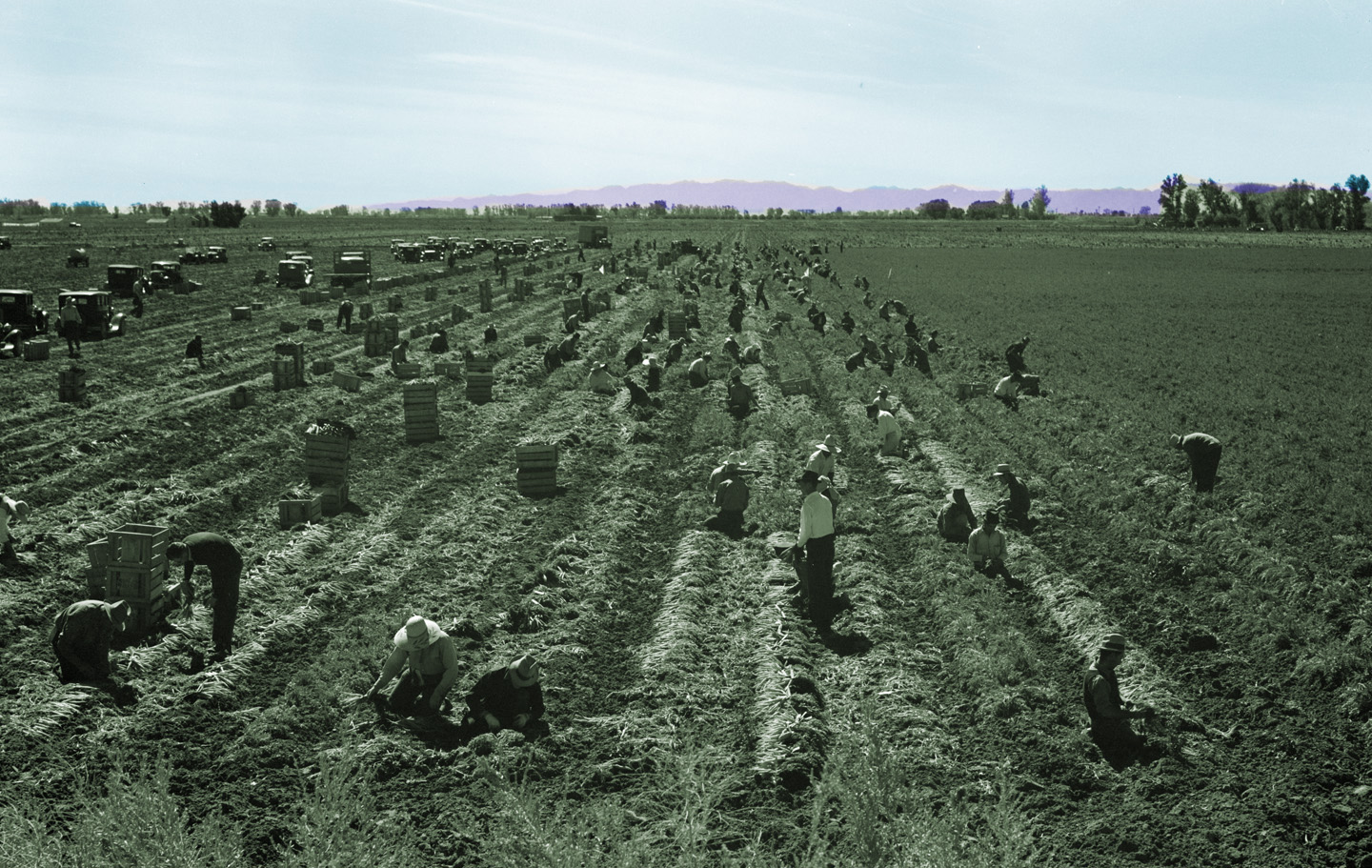
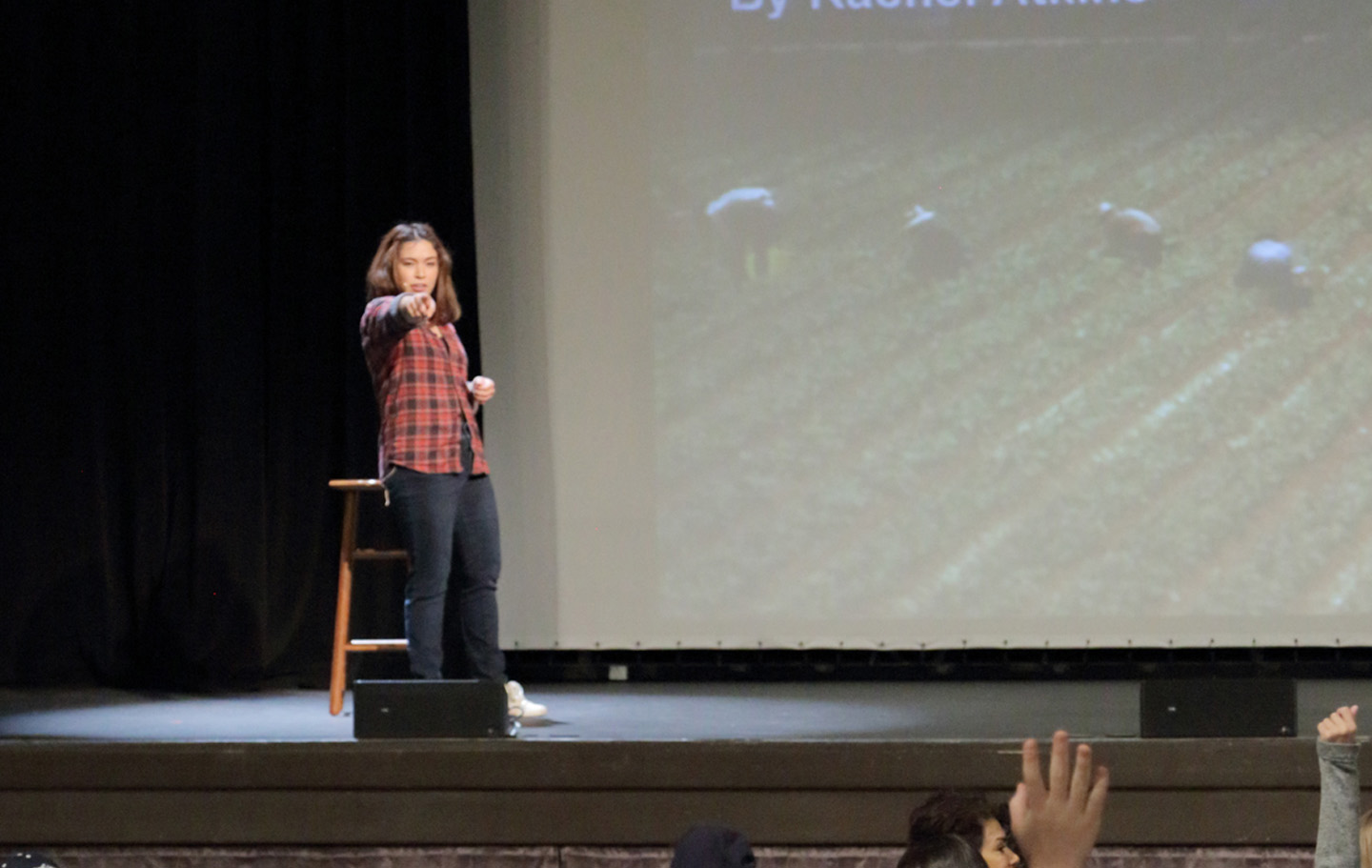
In the late 1960's a man named Cesar Chavez changed  the lives of Latin American farm workers, fought  for civil rights, battled racism and indecent working conditions.  Experience this chapter of American history as one young woman balances  the demands of her family and culture and fights to see her people free of poverty.

Recommended Age 4th grade through University

CURRICULUM CONNECTIONS

   Immigration
   US History       
   Latino History     
   Multi Cultural
        Education
   English
   Literature
   Creative Writing
   Theatre / Drama
   
Media /
     Television - Film

Click Here for a video preview

DISCOVER CESAR CHAVEZ!


Everything you need for teaching and learning about Cesar Chavez can be found at the Cesar E. Chavez Foundation.

Information includes:
Curriculum
Cesar Chavez Day   
   Info
Background on 
  the life and work
  of Cesar Chavez

www.cesarechavezfoundation.org

Images of Cesar Chavez in La Causa are by permission of the Cesar E. Chavez Foundation

TM/© 20023 the Cesar E. Chavez Foundation by CMG Worldwide www.cmgww.com

La Causa Story Summery

La Causa is the story of Marta Hernandez, the daughter of Mexican American migrant workers, and her life changing involvement in the Farm workers Movement led by Cesar Chavez in the 1960's and 70's. 

We learn that Marta's has spent her life migrating from town to town with her family to work in the fields where they pick whatever is in season.  Marta's father came from Texas where his family lost their farm to the Dust Bowl and the Great Depression.  Marta's mother immigrated to America from Mexico with her family when she was a child.

Marta and her twin brother Ruben attend school in whatever town they are working in.  They are usually scolded for speaking Spanish and often teased by the other kids for their work cloths and their ethnicity.

After Marta Ruben and her father are accidentally sprayed by a crop duster her father decides to become involved in the farm workers movement.  Marta's father takes the children with him as he goes from door to door trying to get Latinos to register to vote.  Marta and Ruben working with their father and when he becomes too ill to continue they are happy to take his place.

Marta and Ruben become in involved in numerous strikes and marches.  Cesar creates the Farm Worker's newspaper, El Malcriado.  Marta, eager to become a reporter signs up to work on the paper even though she face resistance from the men at the office.  She begins to write about what she sees while involved in the movement. 

Marta witnesses the march Sacramento, Cesar's fast, and violence on the picket lines.  When growers try to get around Union contracts by selling grapes under false labels, Cesar calls for a nationwide boycott.  Marta travels to Philadelphia where she helps organize boycotts of grocery stores selling grapes.  When pickets don't work she and her fellow strikers hold a fast to draw attention to the problems of the farm workers and gather support for the boycott.

The boycott is a success.  However, Marta's father, suffering from years of exposure to deadly pesticides is close to death.  She returns in order to be there for her father when he dies.  Soon after, The United Farm workers sign contracts with the biggest grape producers, ending the boycott.  Marta considers that though they have come a long way, it will still be a hard fight to maintain the rights won by the movement.  She promises to write about it and stay involved as her career as a journalist grows.

Teacher's Guide

HOME

Program Note:
Marta's story is one of thousand of common experiences familiar to young Latino's in America.  Though the story takes place mostly in California, it clearly shows how this regional movement quickly became an element in the greater fight for civil rights across America.  La Causa is not only a story of Mexican Americans but all Latino and immigrant Americans east and west.